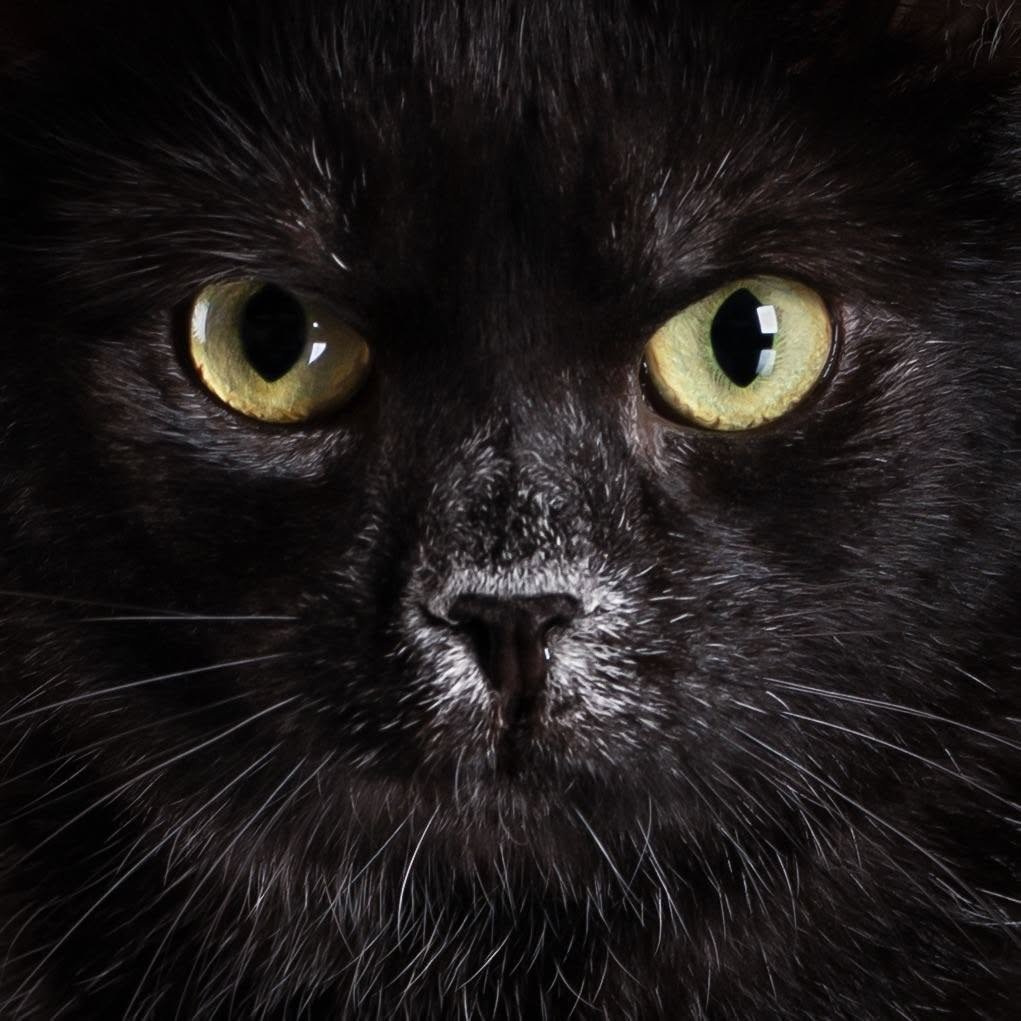
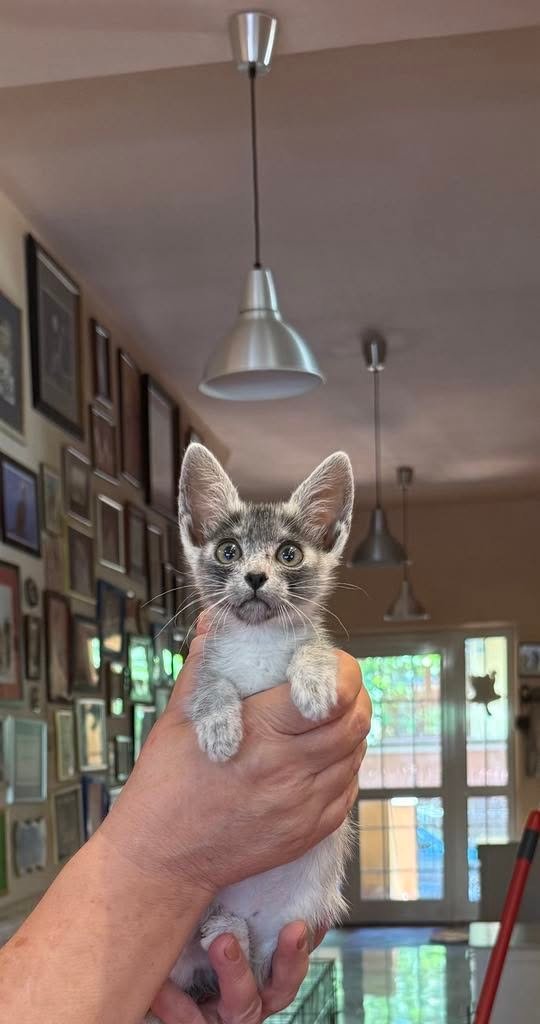
Birth
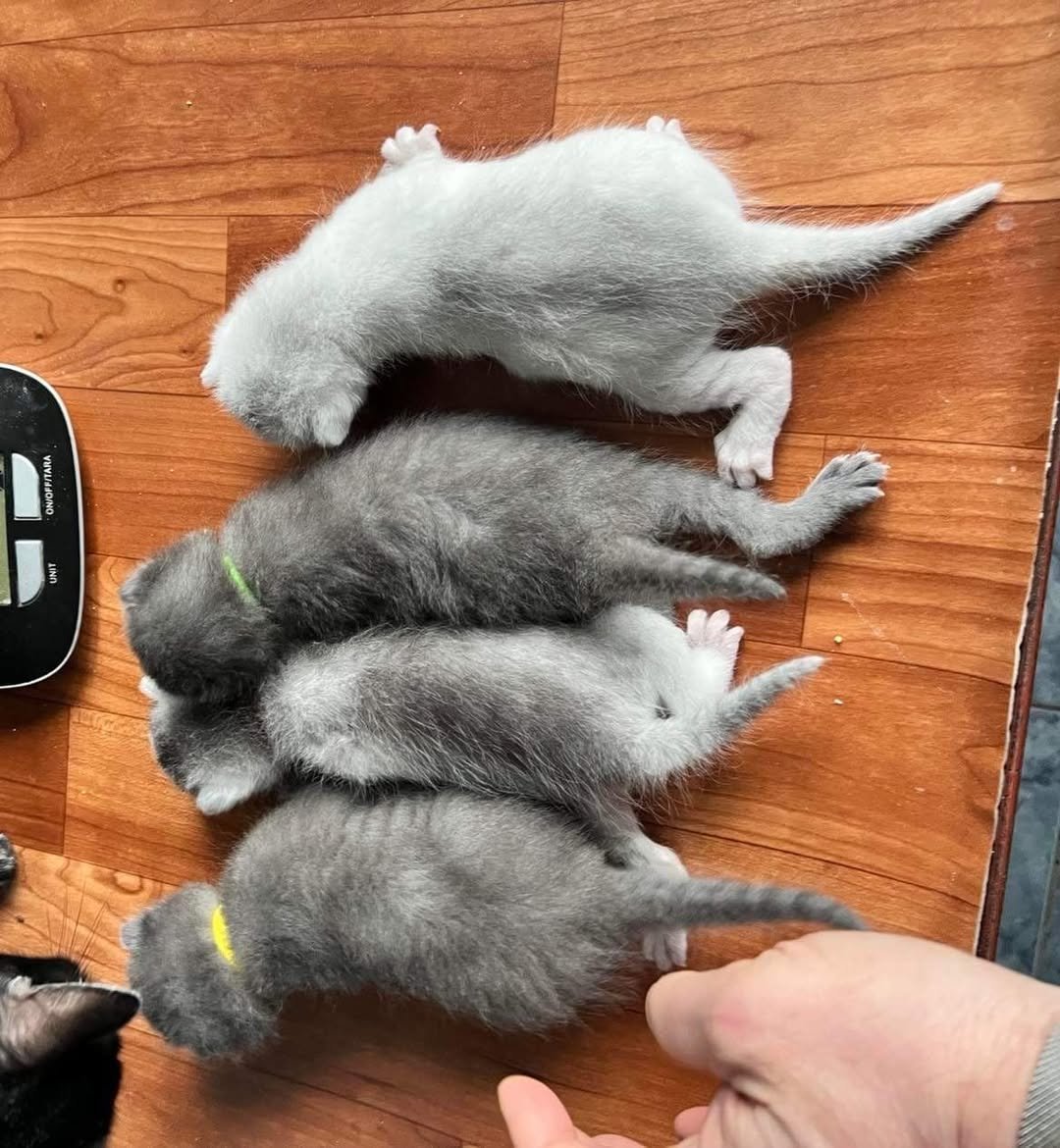
Very pale
Early coat can appear dramatically lighter than the eventual adult colour.
Development · Welfare · Enquiries
The Carpati mutation is unusually developmental: kittens can be born very lightly coloured and acquire their characteristic contrast progressively. Responsible breeding therefore evaluates more than the finished adult coat.
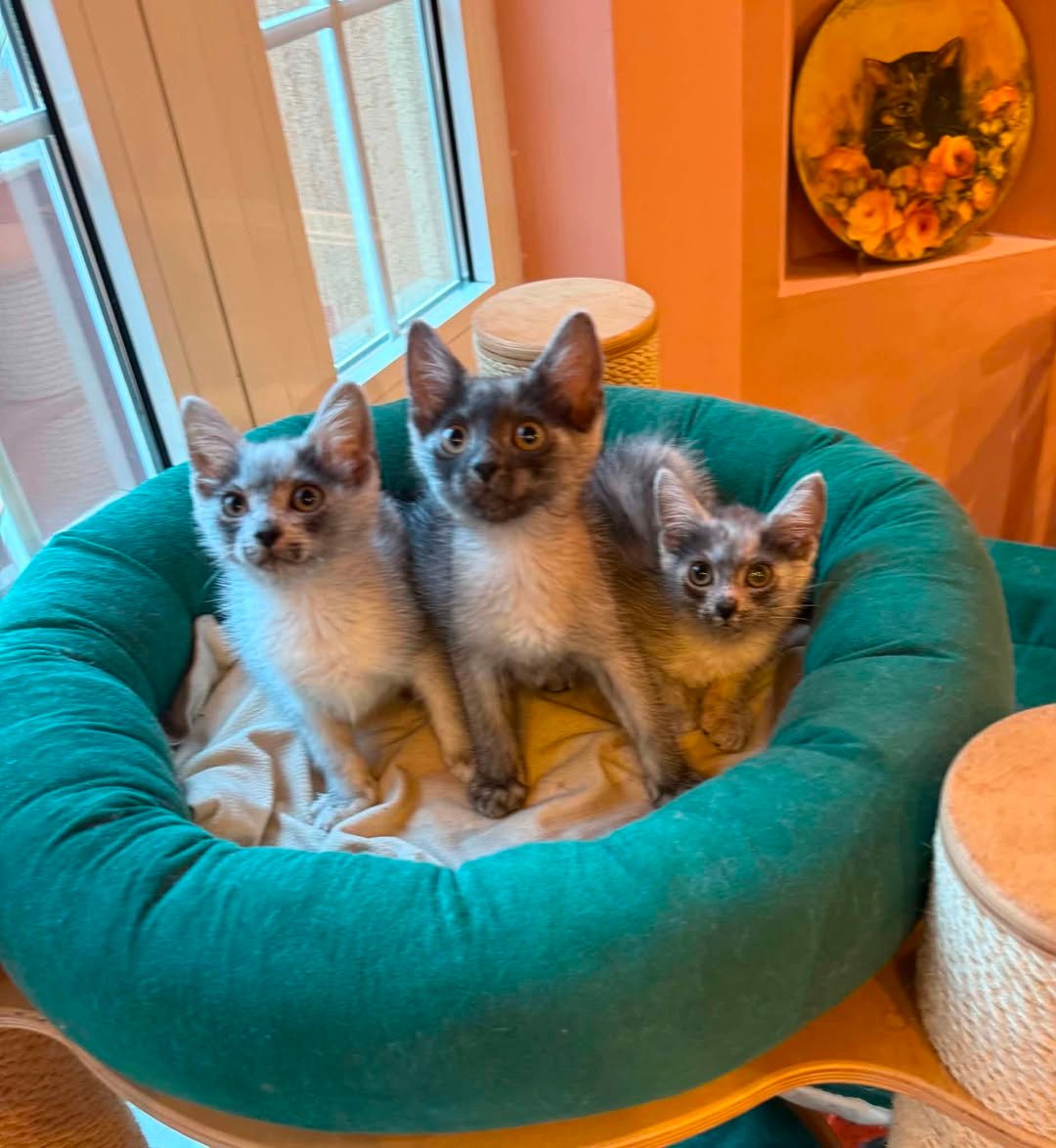
Development
Nose leather and paw pads help indicate the underlying black or blue-grey colour before the body mutation is fully expressed.
Early coat can appear dramatically lighter than the eventual adult colour.
Contrast begins on ears, nose, paws and tail tip.
The body increasingly shows the Carpati salt-and-pepper effect.
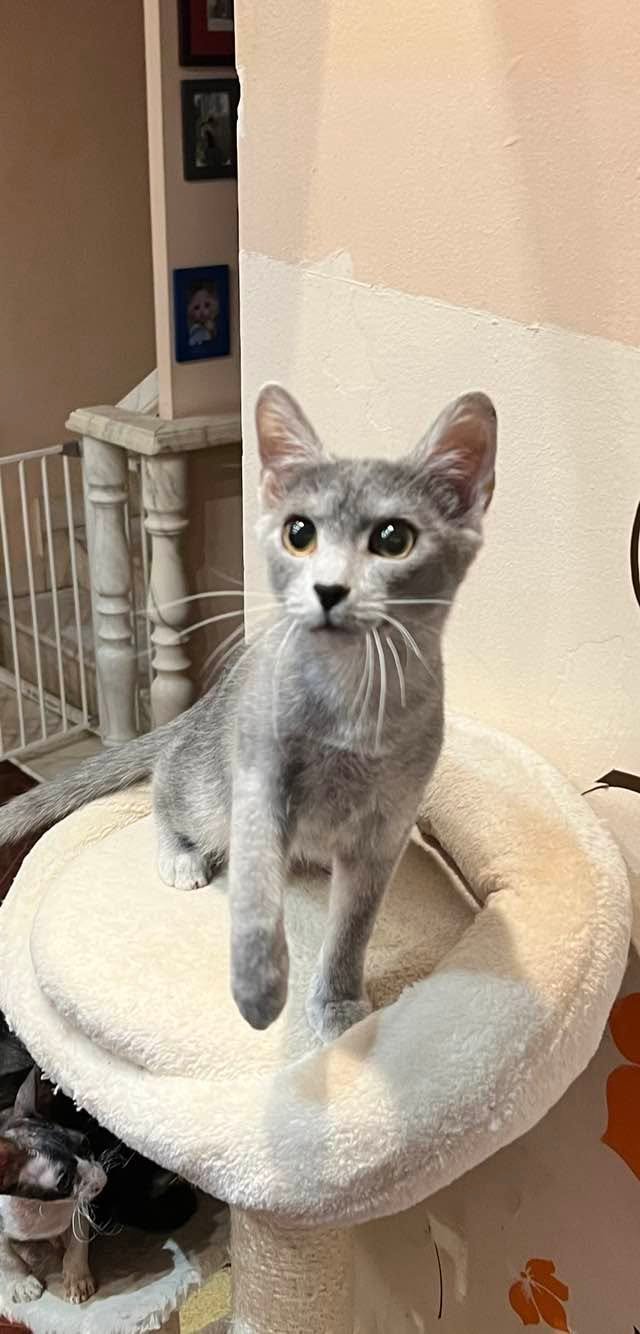
Complete colour is not considered finished until at least one year old.
Breeding philosophy
Selection is not simply for a striking coat. The goal is to preserve a coherent natural type, maintain the gentle temperament documented in the foundation cats and make evidence-based decisions about health and genetic diversity.
Availability
This page is intentionally designed for responsible enquiries rather than an e-commerce listing. Availability, suitability, pedigree development and breeding plans can change; the contact process allows each placement to be discussed individually.
For breeder collaboration, novice-class questions, foundation-line information or kitten enquiries, contact Count Catula’s directly.
Make an enquiry