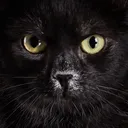
Medium & muscular
Medium size and length; well-muscled without heaviness; medium weight. Slender bone structure with powerful muscles.
WCF Championship Standard · recognized 23 August 2026
A judge-friendly public summary of the WCF-recognized standard: natural balance, muscular but not heavy, distinctive head type and the Carpati mutation in Black or Blue.
General appearance
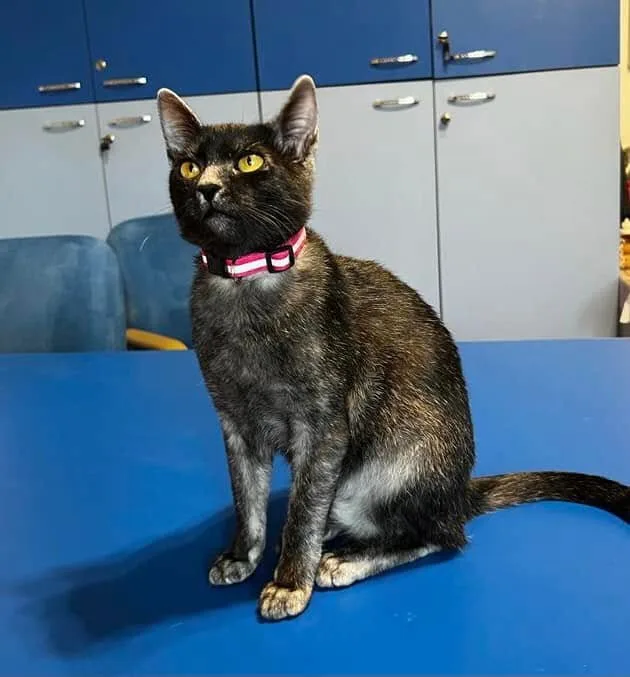
A medium-sized, medium-length cat with powerful muscles and slender bone. The coat can make the cat appear more robust than the underlying frame. The overall impression should remain balanced and elegant.
The defining colour feature is the Carpati mutation: a pale salt-and-pepper effect over the body with stronger pale contrast on the extremities. The genetic cause remains under scientific investigation.
Conformation
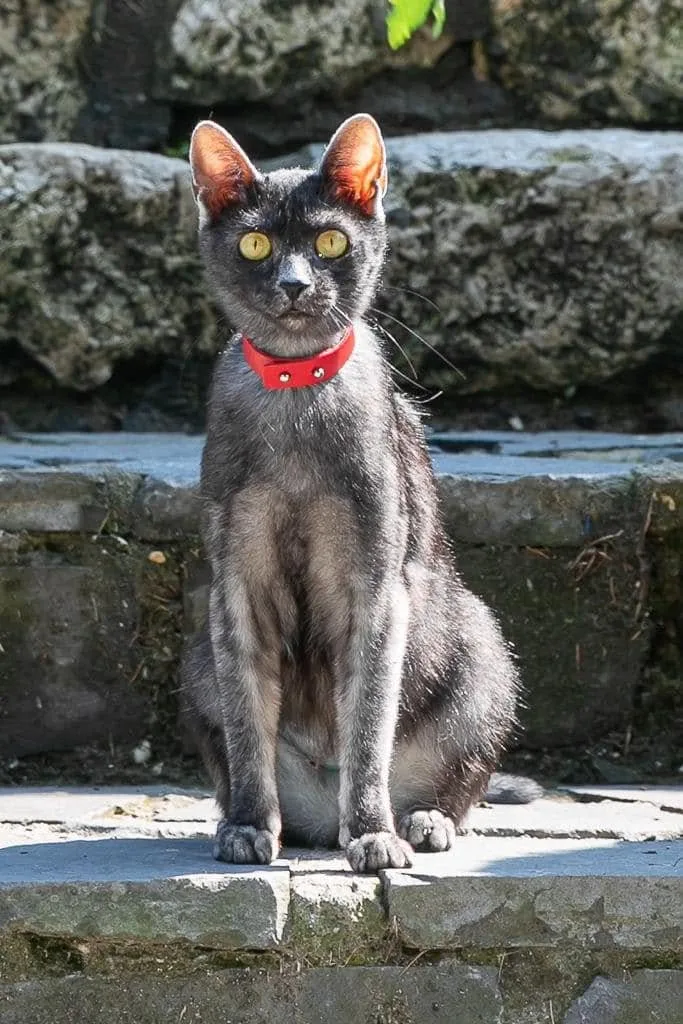
Medium size and length; well-muscled without heaviness; medium weight. Slender bone structure with powerful muscles.
Legs are relatively high with slender boning; the overall impression remains strong and athletic.
Compact oval paws support the fine-but-strong leg structure.
Thick at the base, tapering to a rounded tip.
Slightly rounded upper contours, longer than broad. Slightly concave profile with no bump or stop; firm chin and pronounced muzzle with whisker break.
Medium in size, erect, following the head contours; slightly rounded tips. Light grey furnishings desirable.
Medium in size, oval and slightly oblique. Preferred colours range from yellow to hazel.
Very soft, dense undercoat with coarser guard hairs; a slight lift gives the coat its distinctive texture.
Coat & mutation
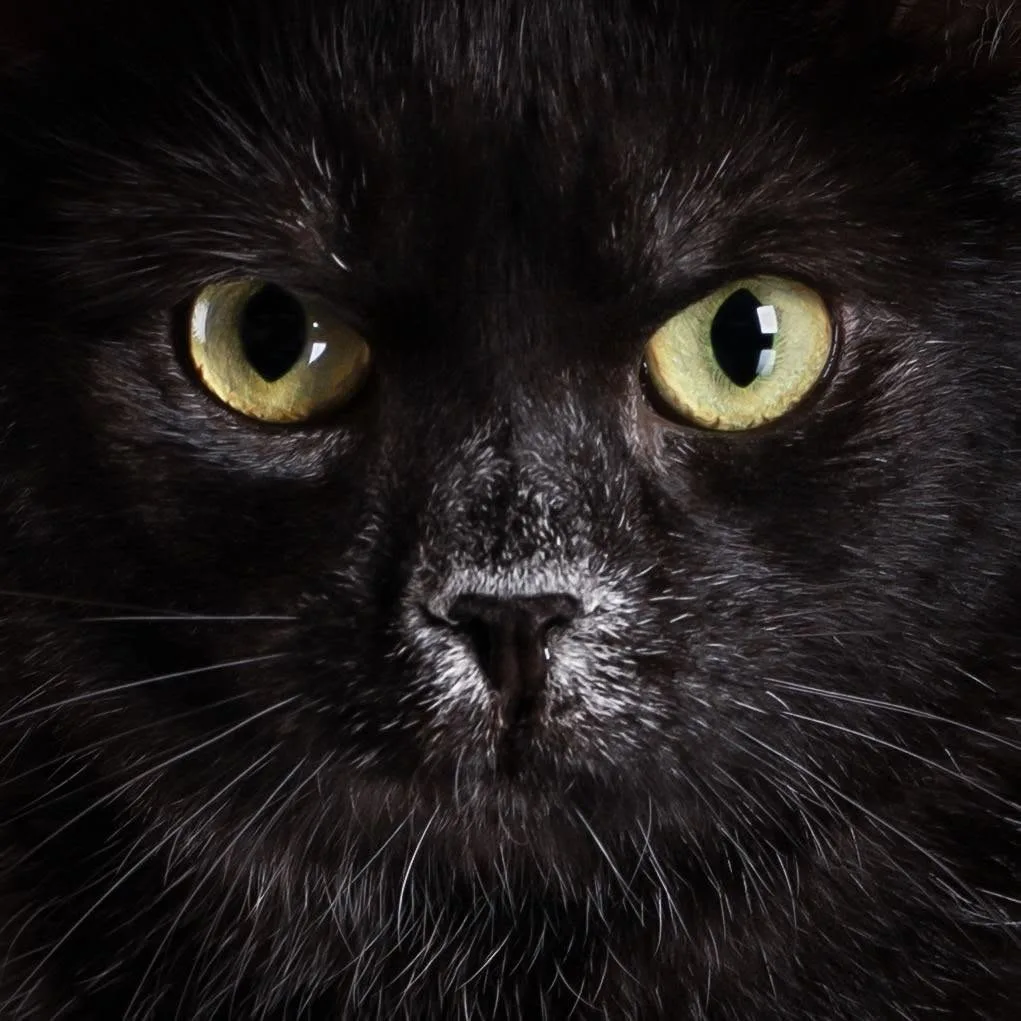
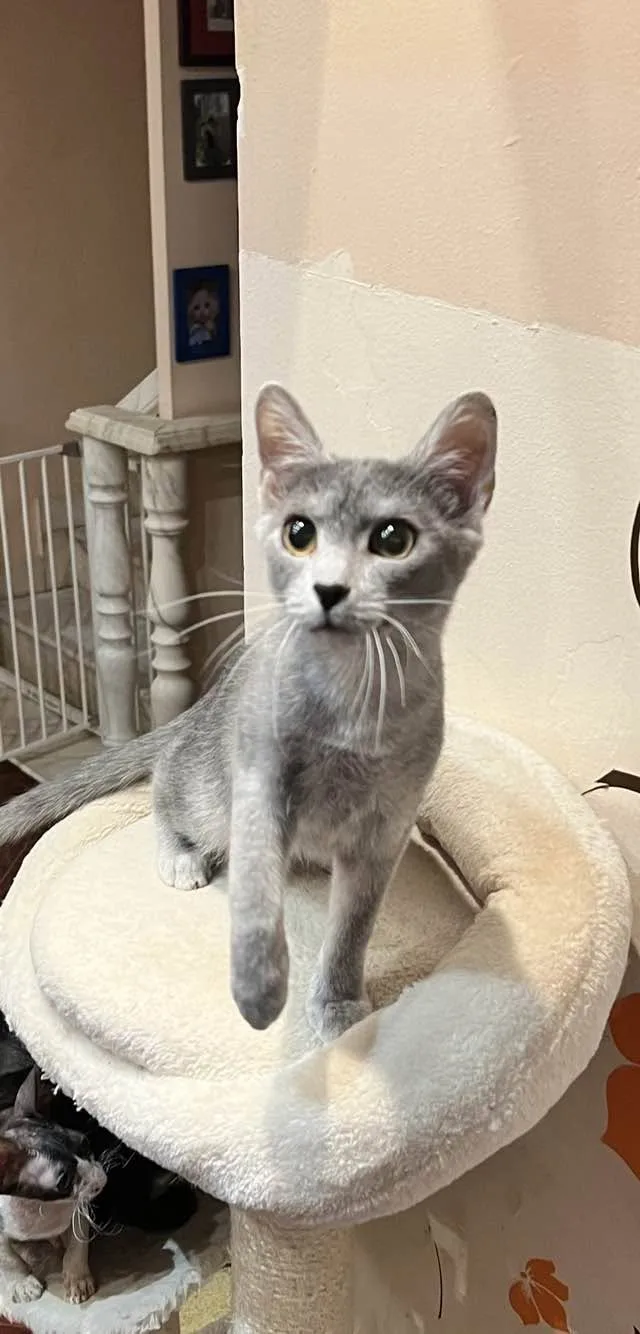
Very pale grey to grey contrast appears on the legs, paws, ears, mask and tail, while the body carries the salt-and-pepper effect. A white locket is allowed on the chest or belly only. Pale ear furnishings and whiskers are desirable.
Kittens are very pale; development begins around two months and can continue until adulthood.
Accepted colours
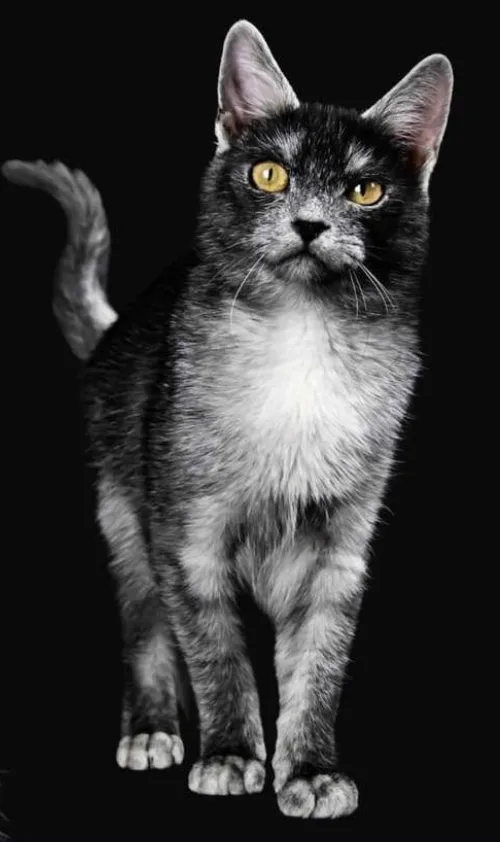
Black with very pale grey hairs creating the salt-and-pepper effect; pale grey on nose, ear rims, paws and tail. Solid black nose leather and black paw pads.
Blue with very pale hairs creating the salt-and-pepper effect; pale grey on nose, ear rims, paws and tail. Solid blue-grey nose leather and blue-grey paw pads.
Faults
Disqualification
Outcross
Scale of points
Body and head together account for half the available points; coat texture, length, colour and mutation account for another thirty.