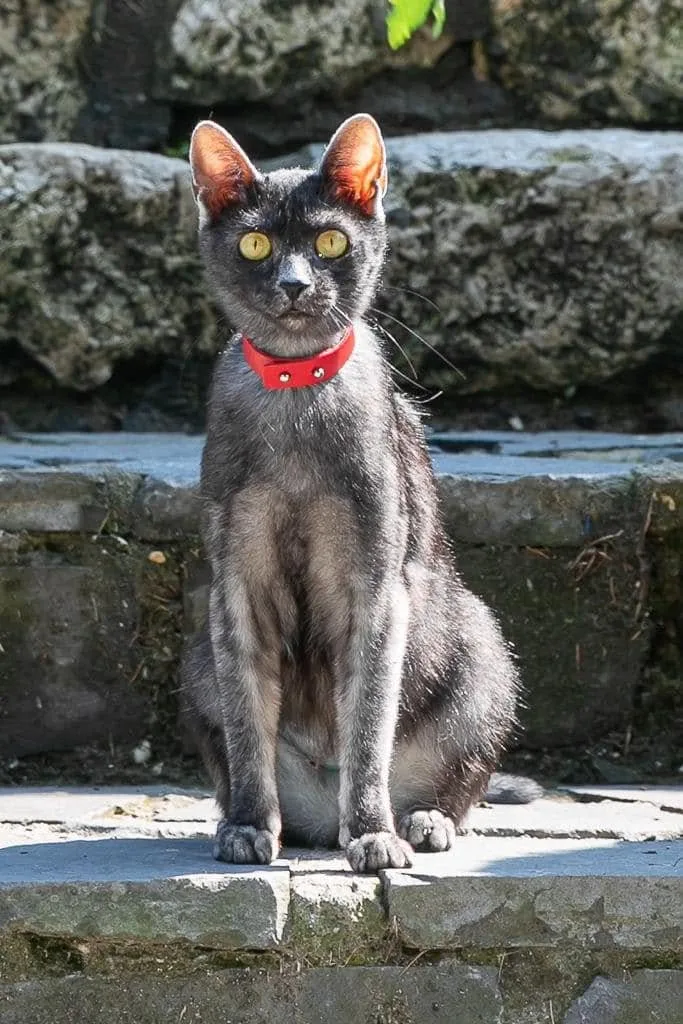
Natural Carpati phenotype
Cats with the distinctive mutation exist across a broad Central and Eastern European region.
Origins · Development · WCF
The recognition story is not simply the discovery of an unusual coat. It is the sequence by which Beverly Elian identified a specific type, chose to build a breed around it, documented a standard and carried the project into WCF recognition.
The sequence matters
Cats with the distinctive mutation exist across a broad Central and Eastern European region.
Prof. Leslie A. Lyons asks Beverly Elian for samples of cats exhibiting the Carpati mutation and becomes a scientific adviser throughout the subsequent development of the Transylvanian breed.
Beverly independently decides to establish a breed from a particular type she has identified in western/sub-Carpathian Romania.
The programme selects for conformation, temperament, health and the Carpati mutation — not merely for coat colour.
The type is documented in a proposed breed standard covering body, head, coat, accepted colours, faults and judging points.
WCF General Assembly · 2026. The final 2026 status will be stated here only after the official WCF process is complete.
The purpose
“Preserve, standardise and document.”
The breed-recognition presentation frames the project as the responsible preservation and documentation of a naturally rooted population, while the specific breed identity emerges from Beverly’s selection programme.

Recognition without confusion
For judges, breeders and journalists, this is the most important historical distinction. The Carpati phenotype is naturally distributed. The Transylvanian is a defined breed programme created from a particular Romanian foundation type.
This website is designed to keep that distinction explicit in every future article, campaign and recognition announcement.
Official record
The recognition record will be updated only from official WCF decisions, with the date and status stated clearly for judges, breeders, owners and journalists.
Follow recognition updates