The Transylvanian has moved from provisional recognition to full WCF recognition.
WCF Full Recognition · 23 August 2026
A historic recognition for a Romanian breed
WCF has fully recognised
The Transylvanian
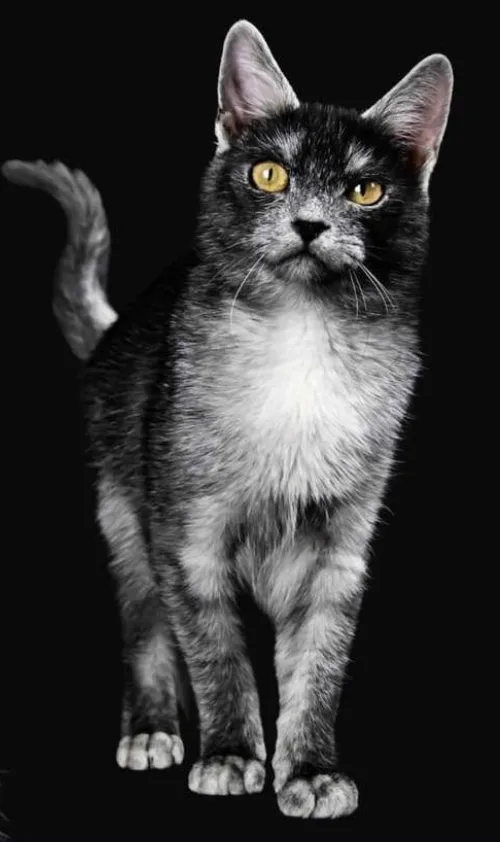
The Transylvanian is now a fully recognised WCF breed. The Carpati mutation has also been approved for Championship, exclusively for the Transylvanian.
Carpati is approved for Championship exclusively within the Transylvanian breed.
Full recognition allows Transylvanians to compete for and earn the full range of WCF titles under the normal WCF show and judging rules.
 WCF Full Recognition · 2026
A Romanian breed from natural foundations, now fully recognised by the World Cat Federation.
Why this matters
Recognition changes the breed’s place in the WCF world.
Full recognition establishes the Transylvanian as a Championship breed in WCF, while the distinctive Carpati mutation is recognised for Championship exclusively within the breed.
A preserved European natural breed
The documented foundation cats came from western and sub-Carpathian Romania, including the Romanian–Hungarian border region, and were developed into a defined breed through responsible selection.
Carpati belongs to the Transylvanian
WCF Championship approval of the Carpati mutation is exclusive to the Transylvanian. Recognition of the mutation does not mean its causal DNA variant has already been identified.
Research continues
Prof. Leslie A. Lyons and collaborators at the University of Missouri, together with Prof. Marie Abitbol at VetAgro Sup Lyon, remain part of the active research picture around the Carpati phenotype.
The full WCF title pathway is open
Transylvanians can now compete in Championship classes and earn the full range of WCF titles, subject to the same certificates, judging and show rules that apply to other fully recognised breeds.
01
The essential distinction
The reported Carpati phenotype extends beyond the breed programme.
The documented foundation cats used to establish the Transylvanian came from western and sub-Carpathian Romania, including areas close to the Romanian–Hungarian border. Free-ranging cat populations do not follow political boundaries, so occurrence of the Carpati phenotype in neighbouring Hungary is biologically plausible. Project records also contain anecdotal reports from Ukraine, Poland, Croatia, Czechia and Slovakia. The full geographic range has not yet been established by a systematic population-genetic survey. The Transylvanian breed is the specific Romanian selection programme developed by Beverly Elian from that foundation population.
Carpati
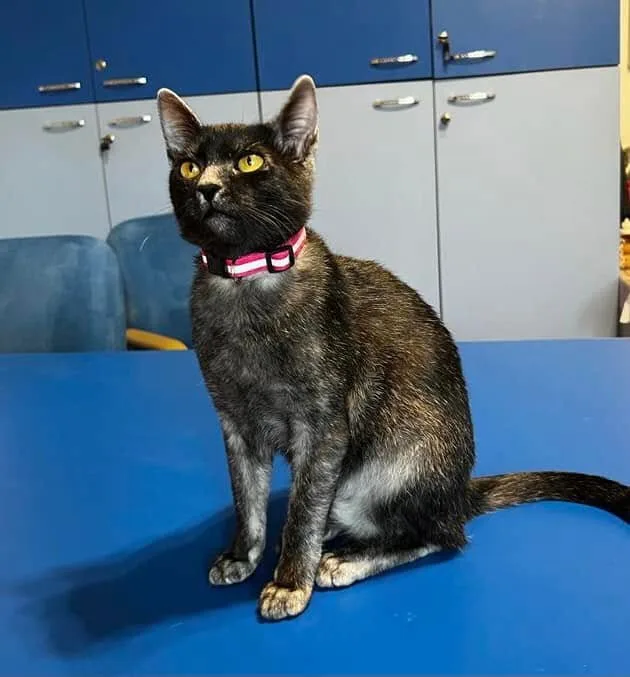
A naturally occurring phenotype, characterised by a distinctive salt-and-pepper body and pale contrast on the extremities.
Explore the mutationTransylvanian
A defined breeding project selected for type, temperament and consistency from a specific Romanian foundation population.
Read the origin story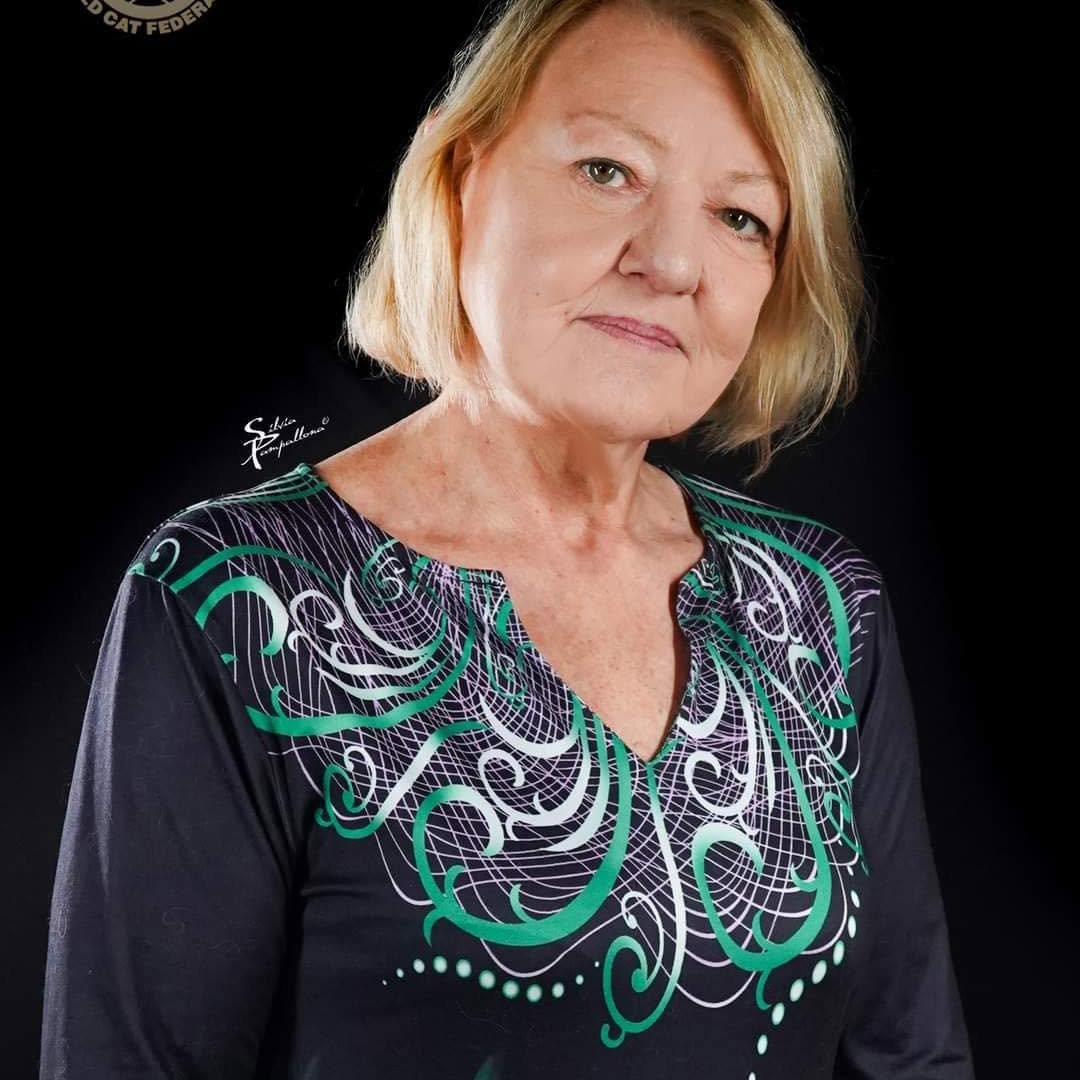
The creator
Beverly Elian
The breed began with a personal decision: to select for a distinctive type among naturally occurring Romanian cats exhibiting the Carpati mutation, and to turn that observation into a disciplined breeding programme.
- Creator of the Transylvanian breed
- WCF Allbreed Judge
- Acting President, Clubul Felin MagnifiCats
- Former Head of the WCF Judges- and Pedigree Registration Commission
- Founder and owner, Count Catula’s — the first registered Transylvanian cattery
A mutation that changes with age
From almost pale to unmistakably Carpati.
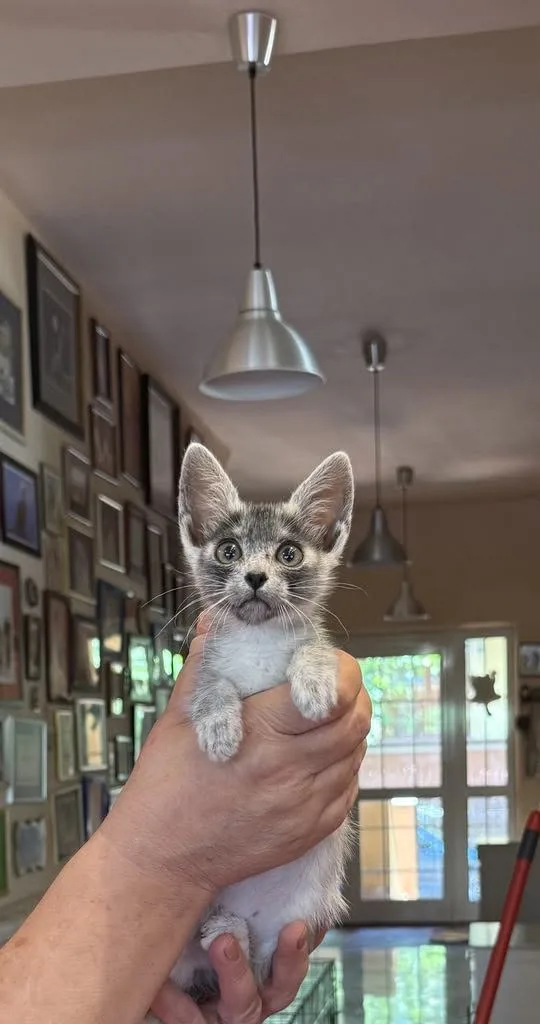
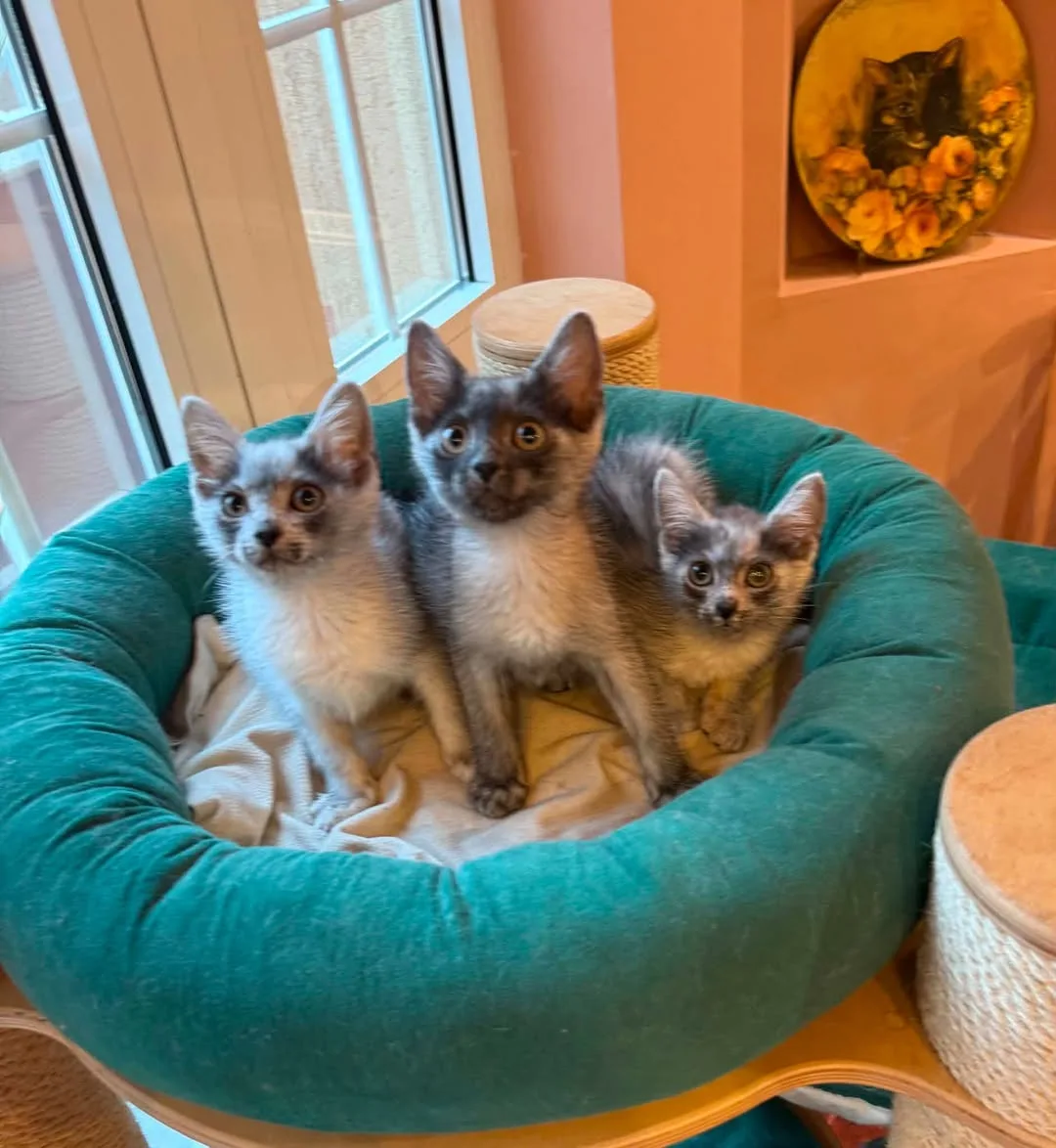
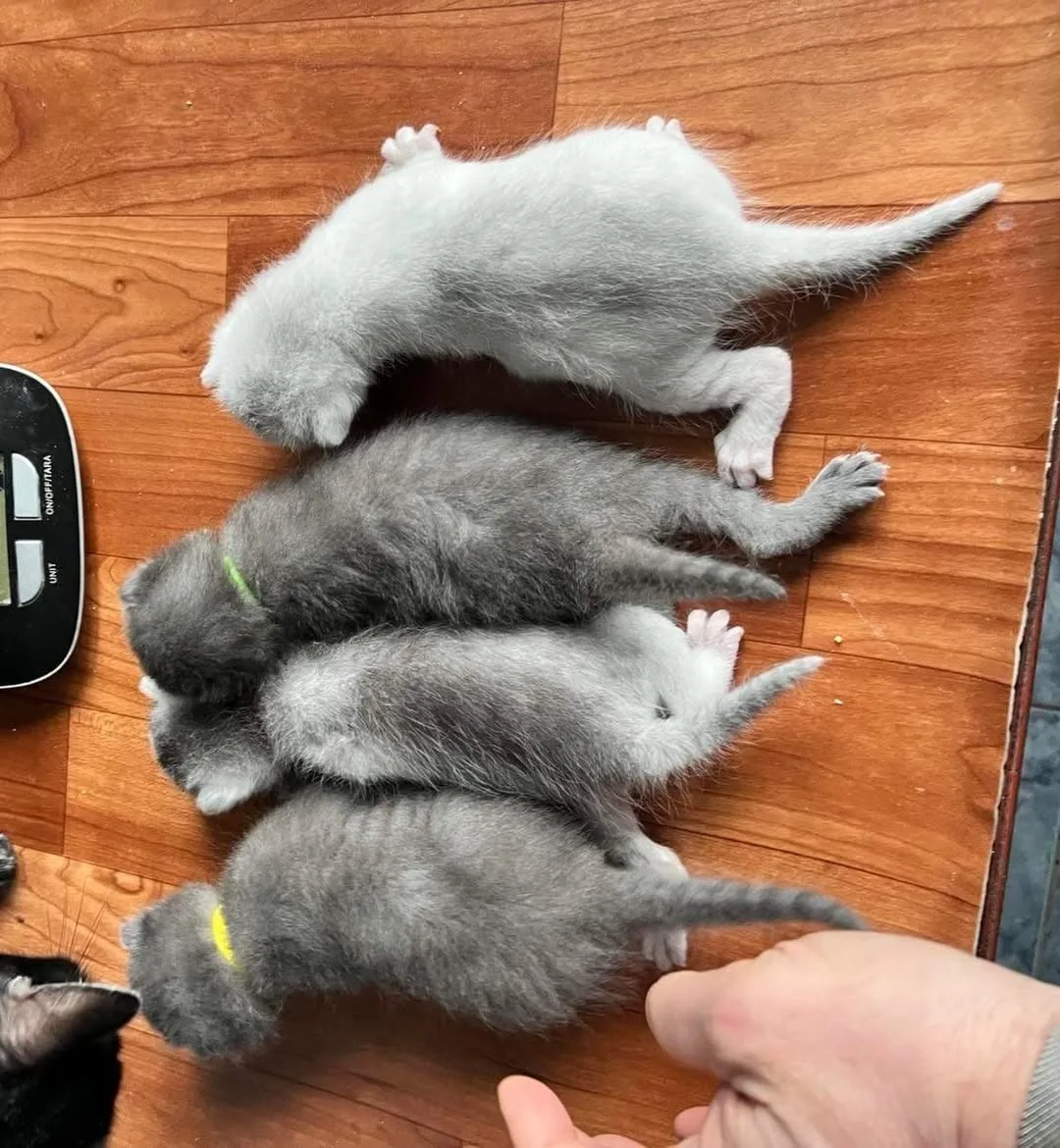
Kittens are born very lightly coloured. Contrast becomes visible first on the ears, nose, paws and tail, while the body’s salt-and-pepper effect develops progressively toward adulthood.
Stage 01
Very pale kitten
Nose leather and paw pads already indicate whether the underlying colour is black or blue-grey.
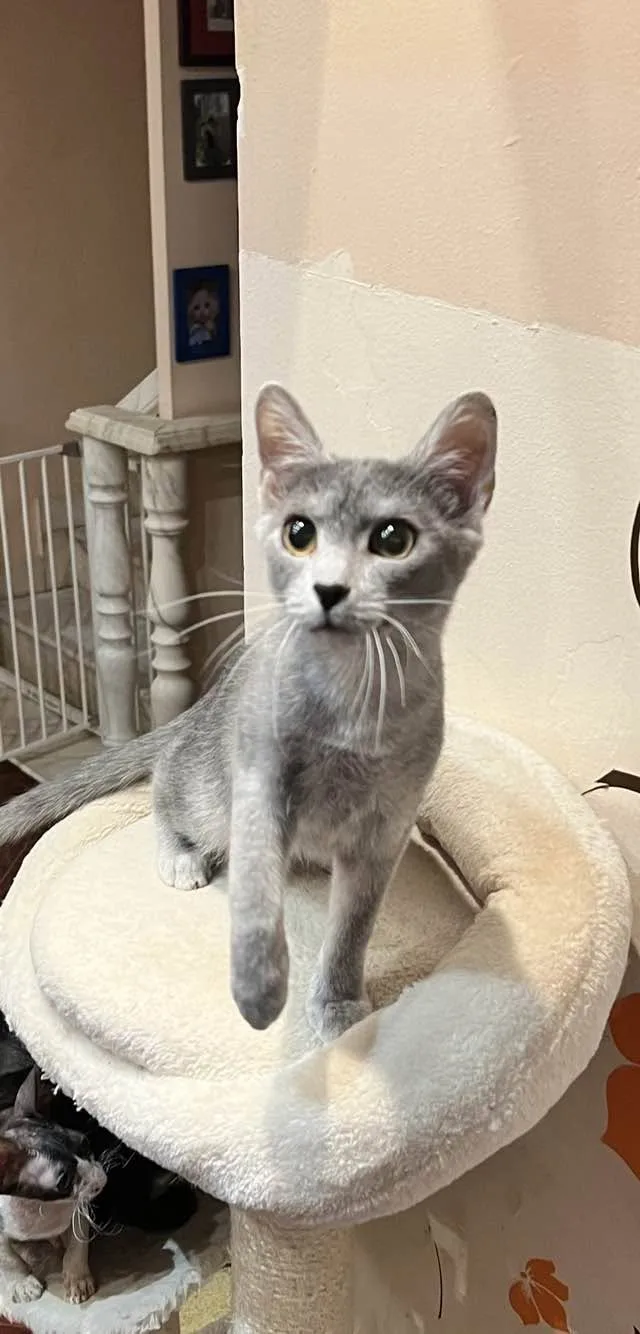
Stage 02
Contrast emerges
The extremities become more distinct and the coat begins to show the characteristic salt-and-pepper effect.
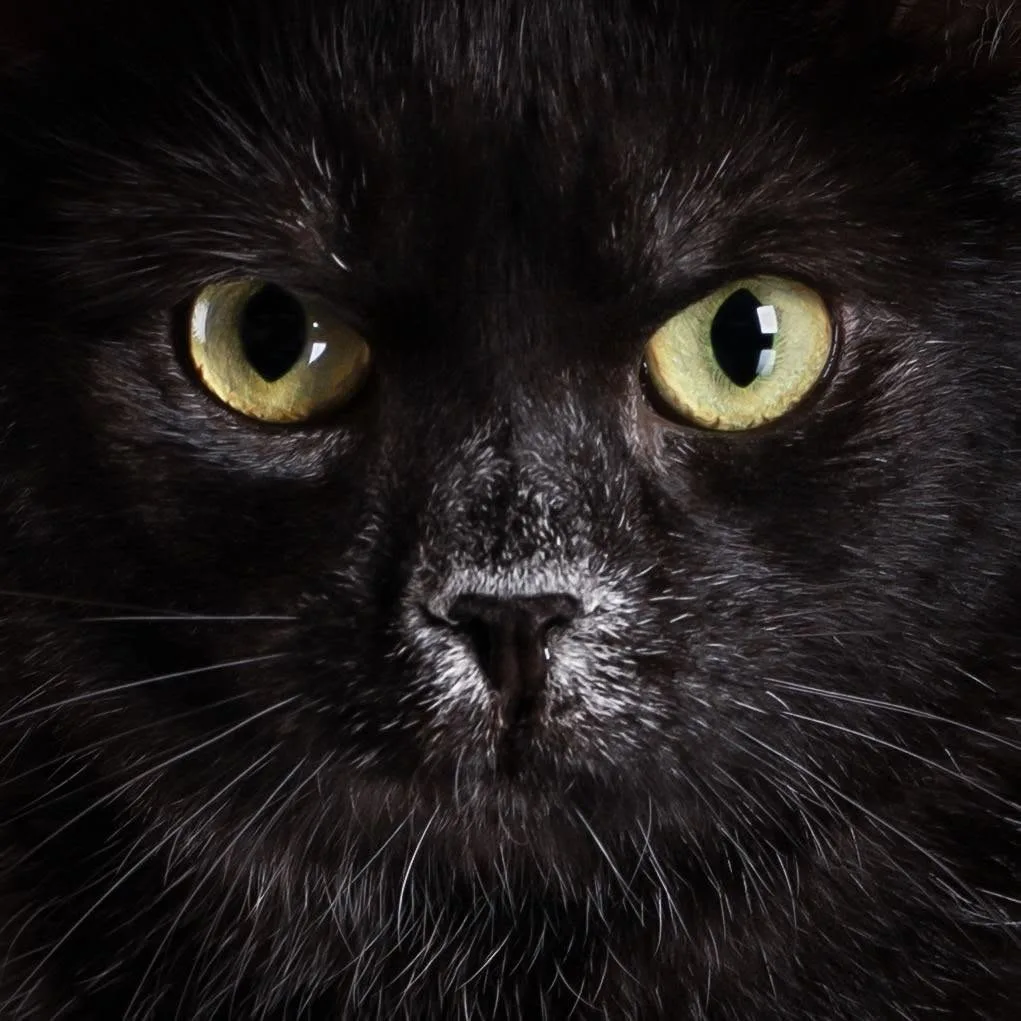
Stage 03
Adult expression
Full colour and contrast can continue to develop through the first year.
Understand the Carpati mutation
Accepted Transylvanian colours: Black Carpati and Blue Carpati.
Research, with sources
What is known. What is documented. What remains open.
The University of Missouri publicly lists “Transylvanian cats – defining the Karpati coloration and pattern” among active projects. Prof. Marie Abitbol, genetics teacher-researcher at VetAgro Sup’s Lyon Veterinary Campus, is also pursuing the causal variant. A contemporaneous November 2024 sampling notice described the two research efforts as working “in tandem” and asked owners to send Karpati samples to both teams. No causal variant has yet been published.
Missouri + Lyoncoordinated research efforts to identify the Carpati variant
2024peer-reviewed Karpati comparison in Animal Genetics
Opencausal Carpati gene / variant remains unidentified
Evidence & sources
Key claims. Direct routes back to the record.
Version 3.2 makes the evidence architecture visible without turning the site into an academic paper.
Breed standard
A natural elegance — defined.
The Transylvanian is medium-sized, muscular without heaviness, relatively high on the legs, with a modified wedge head, oval slightly oblique eyes and a short, dense coat carrying the Carpati mutation.
Body
Medium length, powerful muscle, slender bone, balanced and athletic rather than heavy.
Head
Modified wedge, slightly rounded contours, longer than broad, firm chin and pronounced muzzle.
Coat
Short with a slight lift; soft dense undercoat and coarser guard hairs.
Colour & mutation
Black or blue with the characteristic pale salt-and-pepper effect and contrast on extremities.
Independent coverage
Documented by national media since 2023.
TVR, PRO TV, Antena 1 / Observator, Digi24 and Kanal D have covered the Transylvanian’s development, science and recognition journey. The Media & Press archive links directly to the original broadcasters.
Explore Media & Press
TVRPRO TVOBSERVATORDIGI24KANAL D
Transylvanian Journal
Build a reference library through evidence, history and expertise.
Research notes, breed-standard explainers, WCF recognition updates, genetics, history and responsible breeding — written to become a reference library for judges, breeders, journalists and owners.
Transylvanian application submitted to TICA for Registration Only
On 24 August 2026, an application was submitted for the Transylvanian to enter the TICA programme as a Transfer New Breed for…
Read articleTransylvanian receives full WCF recognition in 2026
On 23 August 2026, the WCF General Assembly approved full recognition of the Transylvanian breed by 71 votes out of 83; the…
Read articleMutația Carpati: geografie, aspect și ce ne spune genetica în prezent
Ghid precis despre mutația Carpati: ipoteza geografică subcarpatică de lucru a proiectului, efectul „sare și piper”, Black și Blue Carpati, dovezile recuperate…
Citește articolulThe first cattery
Count Catula’s
Count Catula’s is the first officially registered Transylvanian cattery, based in Bucharest and owned by Beverly Elian. It is part of the breed story — but the breed website is deliberately broader: the home of the Transylvanian itself. Its founding role is historical provenance, not an exclusivity or quality ranking over other legitimate Transylvanian breeding programmes.
Supporting Partners
Research, veterinary and felinological support.
We are grateful for the support of:
The Lyons’ Den · 99 Lives · Miau Vet · MagnifiCats Cat Club
The Lyons’ DenFeline Genetics & Comparative Medicine Laboratory · University of Missouri
99 LivesCat Genome Sequencing Initiative · active Transylvanian / Karpati project
 Veterinary support · Bucharest
MagnifiCats Cat ClubWCF cat club · Romania
Veterinary support · Bucharest
MagnifiCats Cat ClubWCF cat club · Romania
Veterinary support · BucharestSupporting relationships are described factually and do not imply that any research institution or registry endorses every project claim. Scientific conclusions remain tied to their original sources.
Follow the breed as it develops
A Romanian breed with an international future.
Full WCF recognition begins a new chapter: Championship competition, continued genetic research, transparent breeding records and the preservation of a Romanian breed from natural foundations.