WCF Allbreed Judge
Qualified to judge across recognised breed groups under WCF rules.
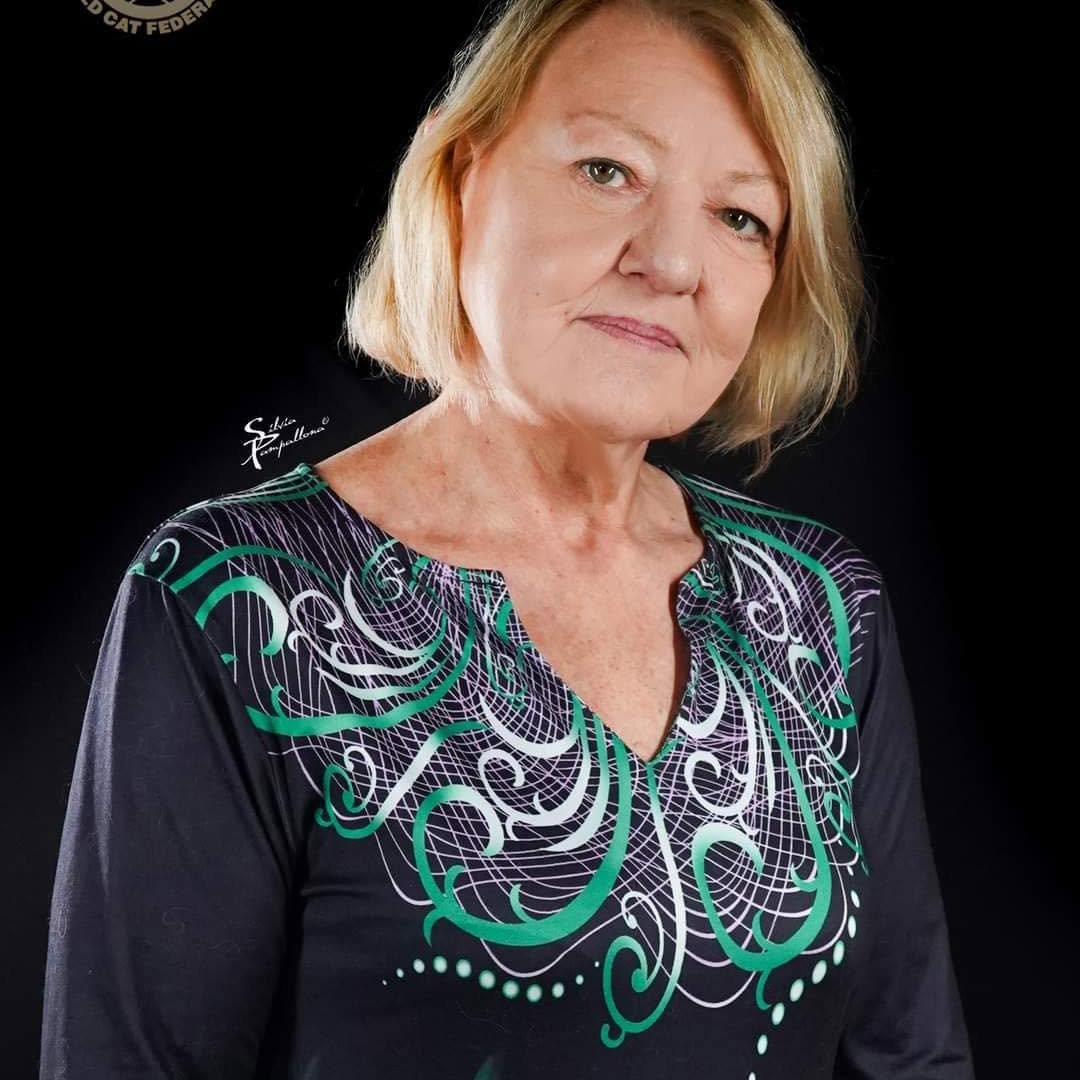
Creator · Judge · Breed developer
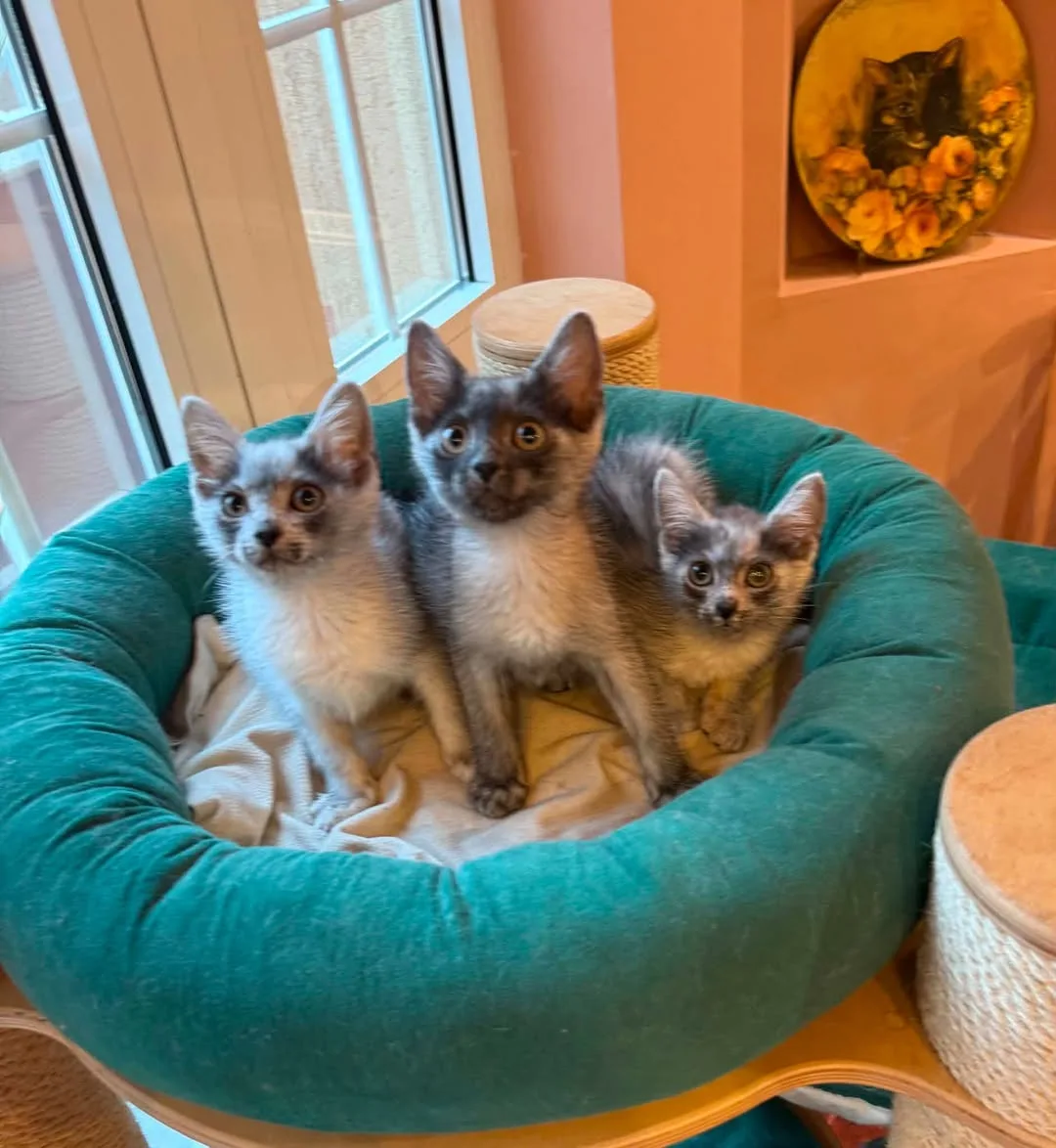
The creator of the Transylvanian breed and the person who made the defining decision to select a specific western Romanian type from naturally occurring cats exhibiting the Carpati mutation.
The mutation existed. The breed was a decision.
Her role in the origin
The Carpati mutation had a natural geographic existence before the Transylvanian breed. Beverly’s contribution was to recognise a specific type in western/sub-Carpathian Romania and decide that this particular population could be selected and stabilised as a breed.
That required more than preserving a coat mutation. The breeding work selected for body type, head, coat texture, temperament, health and consistent expression across generations. Beverly also authored and developed the breed-standard work used for WCF recognition.
Feline expertise
Beverly’s breed-development work is informed by judging experience and by previous leadership within WCF’s judges structure.
Qualified to judge across recognised breed groups under WCF rules.
Leading the Romanian WCF club through which the Transylvanian project has developed.
A previous leadership role within WCF’s official judges and pedigree-registration structure.
Responsible for the choice of foundation type and the selective-development programme.
Science and selection
The public scientific record now gives the project a firmer way to describe the link with Prof. Leslie A. Lyons: the University of Missouri lists “Transylvanian cats – defining the Karpati coloration and pattern” as an active project, and Prof. Lyons is a co-author of a 2024 Animal Genetics paper that genotyped Karpati-pattern cats from Romania and the UK. These sources document scientific involvement with Transylvanian / Karpati research without implying that the breed itself has been validated by a peer-reviewed paper. Beverly’s decision to establish the breed from a specific Romanian type and the selection work that followed were her own.
Read about the research
The breeding home
The first officially registered Transylvanian cattery is Beverly’s breeding base in Bucharest and the practical home of the project’s early development.
Visit Count Catula’s page