Type
Selection toward the WCF-recognized standard while retaining the elegant, athletic foundation character.
First registered cattery
The first officially registered Transylvanian cattery, based in Bucharest and owned by Beverly Elian. Count Catula’s is the breeding home of the project’s founder — an important part of the story, but distinct from the breed website itself.
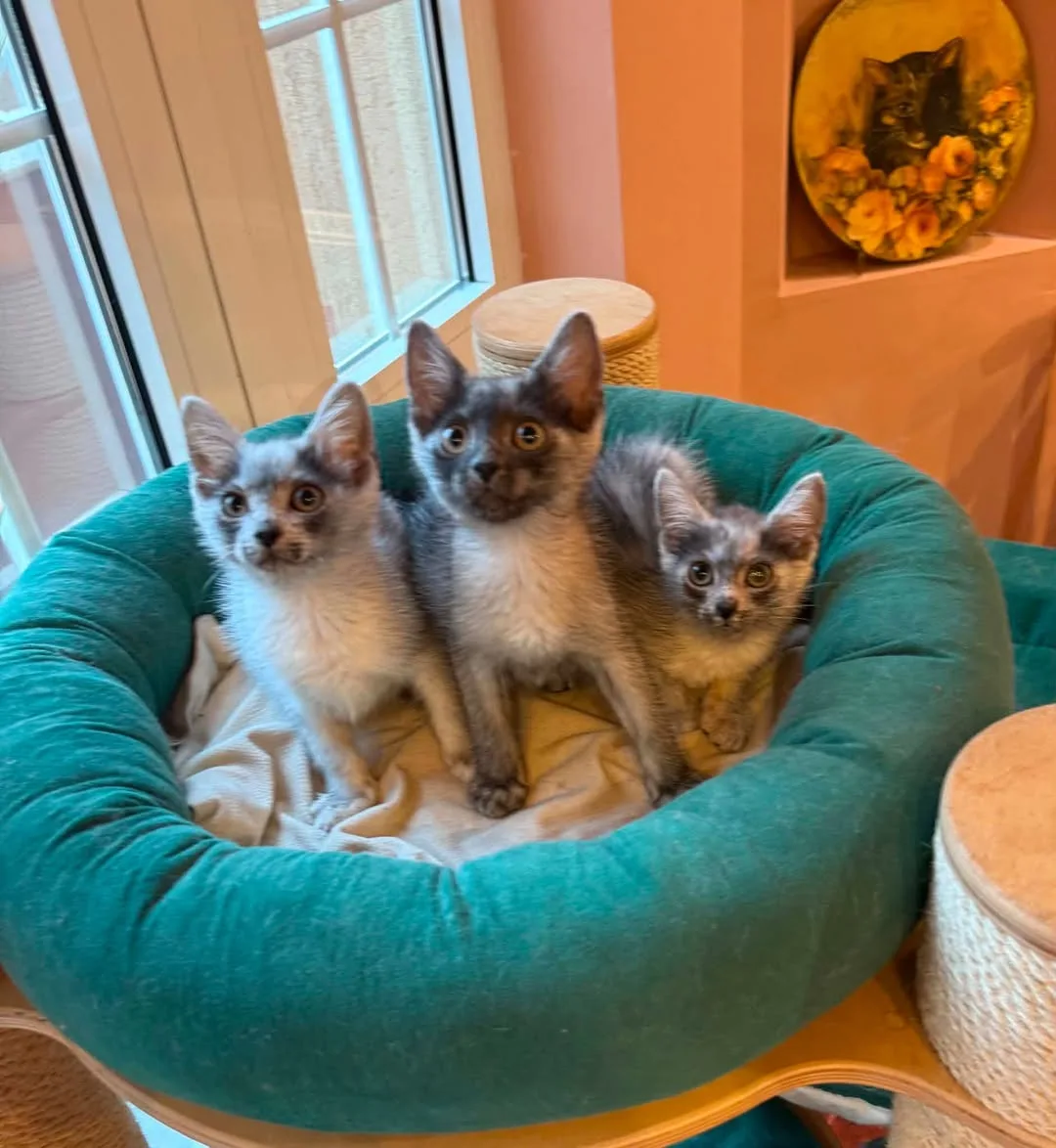
First cattery. Foundation role. Long-term responsibility.
The breeding base
Count Catula’s is Beverly Elian’s cattery in Bucharest and the first officially registered Transylvanian cattery. It represents the practical breeding side of the project: pairings, health screening, development of type and the continuation of the foundation lines.
The website deliberately places Count Catula’s within a larger structure. transylvanian.cat is the home of the breed; Count Catula’s is the first cattery and the founder’s breeding programme.
Documented provenance. No exclusivity claim.
What the founding role means
Count Catula’s has a distinct documented place in the breed record as the first registered Transylvanian cattery and the breeding programme of Beverly Elian, who developed the breed project. That history does not mean that Count Catula’s owns or controls the breed, that other legitimate breeders are subordinate to it, or that founder status alone proves greater health or quality.
When evaluating any Transylvanian breeder, the useful checks are the same: transparent pedigrees, appropriate registration, access to relevant health/genetic records, realistic claims about unresolved genetics, responsible breeding practice and honest information about the individual cat.
Breeding priorities
Selection toward the WCF-recognized standard while retaining the elegant, athletic foundation character.
Foundation cats have undergone broad genetic and health screening; breeding decisions prioritise welfare.
Gentle, trusting behaviour is treated as part of the breed identity, not a secondary trait.
The WCF-recognized standard allows restricted Domestic Shorthair outcrosses in black or blue to support responsible development.
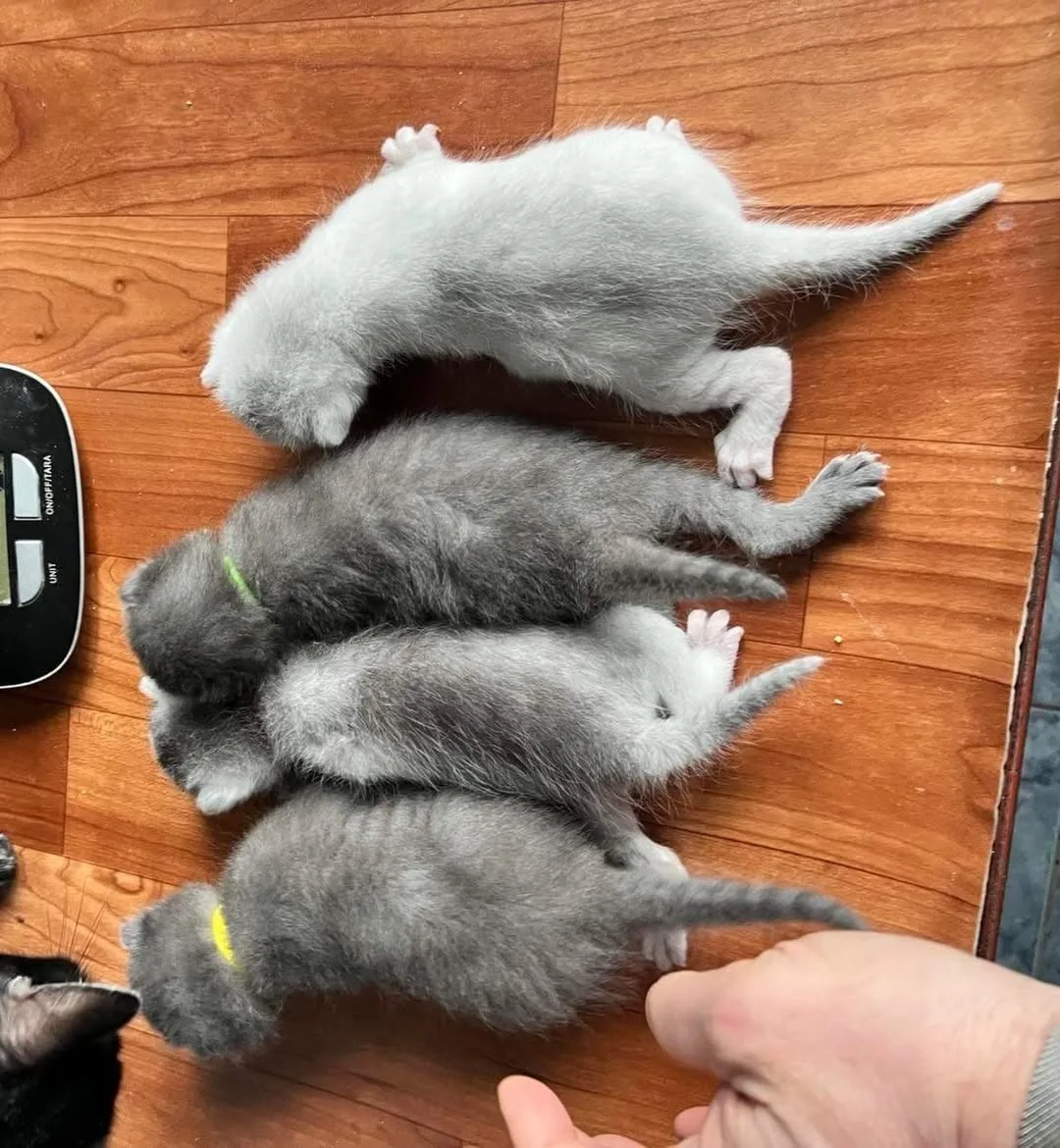
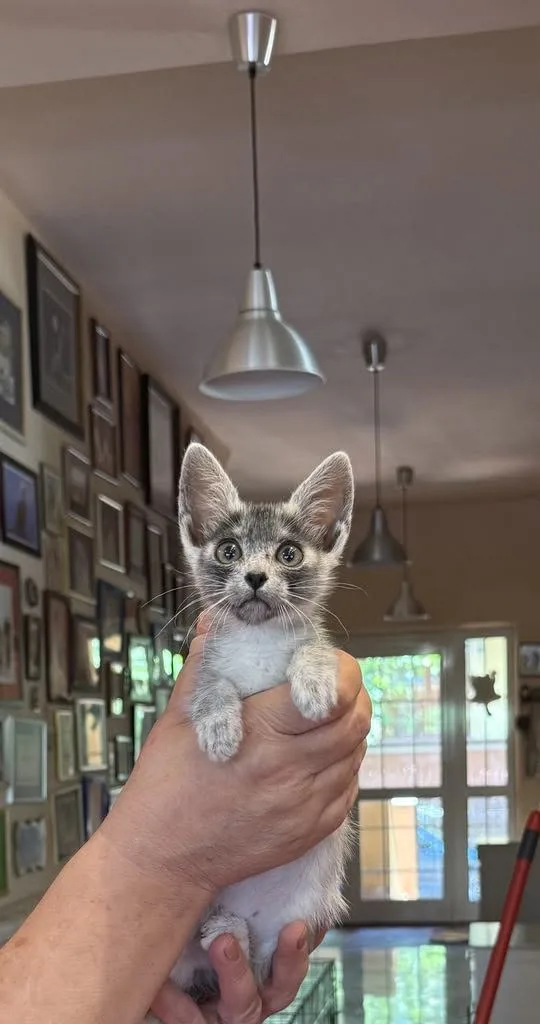
From litter to adult
Because the Carpati mutation develops slowly, breed assessment cannot rely on a kitten’s final coat alone. Structure, head, temperament, nose leather, paw-pad colour and progressive contrast all contribute to understanding development.
Cats & KittensBreeding enquiries
Use the contact page for kitten enquiries, breeder collaboration, judging or recognition questions.